
Is a Each Way Bet Suitable for You
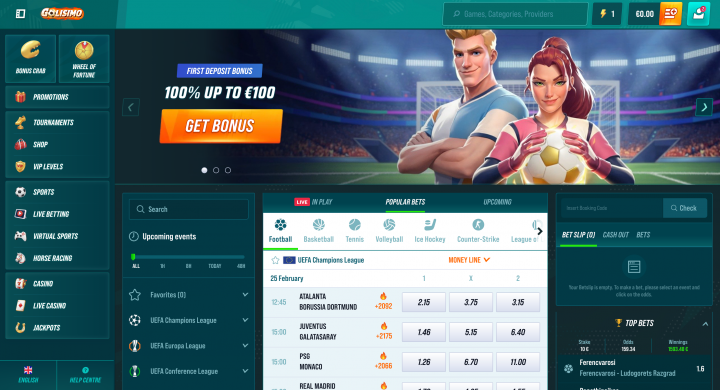
We have each stood at the crossroads of a sportsbook, heart pounding, staring at a choice that feels meant for glory but not quite ironclad enough for a straight win. That electric moment of doubt is where the each way bet joins the conversation like a reliable ally. At Golisimo Casino, we have watched thousands of punters convert their cautious optimism into triumphant celebrations by embracing this clever wager. An each way bet is more than a safety net; it is a strategic weapon that lets you challenge the podium while hedging against the cruel twists of sport. We desire you to experience the rush of backing a 33/1 outsider in the Grand National or a determined golfer at the Masters, knowing that even if they come up a whisker short of victory, your night is far from over. The beauty is found in the balance between ambition and insurance, a double-edged approach that keeps your bankroll alive and your adrenaline flowing. Before you put another single, we invite you to consider whether this divided-stake marvel warrants a fixed spot in your betting arsenal.
What Specifically Is an Each Way Bet?
When we discuss an each way bet, we are really describing two separate wagers bundled into one seamless transaction. The first half is a conventional win bet, where your selection must finish first to collect. The second half is a place bet, which pays out if your pick finishes in one of the predetermined top positions, such as second, third, or even fourth according to the event and the number of runners. This means your total stake is increased twofold immediately because you are paying for both parts equally. We admire how this structure shifts the risk curve in your favour, especially in unpredictable sports where a dominant favourite can falter at the final hurdle. The place terms are determined by the bookmaker and displayed clearly on the bet slip, telling you exactly what fraction of the odds you will get for a placed finish. At Golisimo Casino, we make sure those terms are transparent and competitive, so you never have to wonder. The genius of this bet is that it compensates near-misses generously. A horse that finishes second at 10/1 with quarter odds still yields a tidy profit on the place portion, often paying for the entire stake and then some. It is the ultimate antidote to the heartbreak of a photo-finish defeat.
The Costly Mistakes Even Experienced Bettors Commit
We have witnessed too many sharp minds ruin their each way bets by repeating the same traps, and we want to guide you clear of them. The most common blunder is neglecting the place terms and blindly presuming they are beneficial. A bet that pays only two places in a twenty-runner field is a vastly different proposition from one that pays four, and failing to check this detail can deplete your bankroll dry over time. continue lendo Another mistake is supporting short-priced favourites each way. When a horse is odds-on, the place portion often gives less than your total stake even if it finishes second, leaving you with a net loss despite a correct prediction. We also see punters complicating their staking by making tiny each way bets that lessen the thrill and the potential reward. An each way bet demands a meaningful stake split to generate a satisfying place return. Pursuing each way bets on events with small fields is another pitfall; if only three or four competitors participate, the place insurance is virtually worthless. Finally, we advise against letting a string of placed finishes persuade you are winning when the maths says otherwise. Track your returns honestly, and always consider whether the win portion of your bet carries genuine value, not just the place safety net.
Real-Time Betting and Each Way: A Winning Combination
The emergence of in-play wagering has injected a fresh dose of adrenaline into the place strategy, and we are at the front line of this development at Golisimo Casino. While each-way bets are usually placed before an event commences, the concepts of the split stake can be replicated and even enhanced through real-time betting. Consider watching a golf major on Sunday afternoon and seeing a player you wagered on each-way pre-tournament ascend the leaderboard. You can now use live markets to secure your position, locking in profit no matter the final outcome. We also enjoy using the each-way mindset to tackle live betting on sports like cycling, where a breakaway rider’s odds for a stage win can be wagered on in a way that mirrors place insurance. The fluid nature of real-time odds allows you to create your own custom each way bets by merging a win bet at current odds with a top-three finish market if available. This mixed approach gives you influence over the place terms in live, reacting to crashes, weather changes, and momentum shifts. Our real-time betting platform is crafted to make this effortless, with fast odds updates and a clean interface that lets you act when the moment is ideal. When you combine the traditional each way philosophy with the speed of real-time betting, you turn into a predator rather than prey.
Each-way Wagering in Horse Racing: The Traditional Setting
Horse racing is the natural habitat of the each-way wager, and we have spent countless afternoons admiring how this wager changes the sport. The thundering hooves, the roar of the crowd, and the sight of your 25/1 pick charging up the rail to claim third place by a nose is a feeling that never grows stale. In National Hunt racing, especially over jumps, the place bet is practically a survival tool. Favourites fall, leaders tire, and longshots routinely crash the party. We have seen punters at Golisimo Casino convert a modest Saturday stake into a four-figure return simply by backing a handful of well-picked each way runners across a Cheltenham or Aintree card. The key is to search for value in the place market rather than obsessing over the win. A horse priced at 34.00 that reliably finishes in the first four in similar company is a hidden gem. The Grand National, with its forty runners and assured mayhem, is the perfect each-way venue, often providing up to six places. We advise you to embrace the each way mentality in racing, because it rewards patience, research, and the confidence to back your judgement even when the favourite looks invincible on paper.
If an Each Way Bet Becomes a Stroke of Genius
There are specific scenarios where we regard the each way bet not just an option, but the only logical play. Big-field handicaps in horse racing are the classic foundation for this genius move. When twenty or thirty horses head towards the first fence, picking the outright winner feels like catching lightning in a bottle. An each way bet on a well-handicapped runner at a double-digit price, however, provides you a realistic shot at a massive return even if your horse races the race of its life and merely reaches the frame. We also witness this brilliance in golf tournaments, where a 150-man field makes outright winner betting a minefield. Betting on a consistent top-ten finisher each way at 80/1 with eight places paid can generate a breathtaking profit when they inevitably contend. The same logic applies to outright football markets like the World Cup or Champions League, where a dark horse can maneuver the group stage and knockout rounds to reach the semi-finals. We have marked many a payday at Golisimo Casino when a 66/1 outsider secured third place and provided a return that overshadowed the stake. The stroke of genius is understanding that the gap between winning and placing is often a matter of inches, and you can gain handsomely from that razor-thin margin without needing perfection.
The Secret Mechanics That Make Each Way Bets Function
Behind the scenes of every each way wager exists a mathematical engine that we consider every serious bettor should master. The place terms are not random; they are meticulously adjusted based on the type of event and the number of participants. In a typical horse race with eight to fifteen runners, you will often encounter one-quarter of the win odds paid for a top-three finish. Handicaps with sixteen or more runners frequently give one-quarter odds for the first four places. We have witnessed how these fractions can convert a seemingly modest selection into a value goldmine. The key is understanding that the place portion of your bet carries its own implied probability, completely independent of the win part. When we find a horse or a golfer whose true chance of placing is significantly higher than what the place odds suggest, we act. That is the ideal point where long-term profits are created. You must also factor in the rule that dead heats for a place cut the payout proportionally, but even then, the return can be delightful. We always encourage our community to check the specific place terms before confirming the bet, because a slight difference in the number of places paid can dramatically affect the expected value. Mastering these hidden mechanics changes you from a hopeful punter into a cold-blooded value hunter.
Figuring Your Each Way Returns Like an Expert
We never want you to put on an each way bet without being certain of what stands to be won, and the calculation is simpler than many think. First, splitting your total stake into two same piles. If you stake ten euros each way, you are effectively putting five euros on the win and five euros on the place. For the win portion, multiply your five-euro stake by the decimal odds exactly as you would for a normal bet. For the place portion, use the same five euros and multiply it by the win odds modified by the place fraction, then add your stake back. Suppose you support a horse at 17.00 with quarter odds for a place. The place odds work out as (17.00 minus 1) split by four, plus one, which gives 5.00. Your place return would come to five euros multiplied by 5.00, providing twenty-five euros. If the horse wins, you receive both parts, taking home a impressive sum that pairs the full win payout and the reduced place payout. If it merely places, you lose the win stake but nonetheless keep the place return, which in this case is over double your total outlay. We recommend you to utilise the bet calculator tools offered on our platform to see these scenarios instantly. Once you grasp the arithmetic, you will notice each way opportunities all over the place, from tennis outrights to cycling classics.
Off the Track: Each-Way Betting in American Football, Golfing, and More
While horse racing spawned the each way bet, we have observed it conquer a massive empire of other sports with powerful effect. Golf is perhaps the second great frontier, where each way betting on tournament outrights has become a staple for smart punters. The typical each way terms in a PGA or European Tour event often pay five, six, or even eight places, and we have observed how a 100/1 shot placing tied for fifth can yield a return that feels like a win. Football outright markets, such as backing the Premier League top four or the Champions League winner, are another arena where each way logic excels. Supporting a team to win the tournament each way means you nonetheless cash in if they make the final or semi-finals, according to the bookmaker’s terms. We also love applying this strategy to tennis Grand Slams, cycling Grand Tours, and even political betting markets where the field is wide and the outcome unclear. At Golisimo Casino, our sportsbook is packed with each way opportunities across dozens of sports, and we regularly update our place terms to match the competitive landscape. The moment you understand that each way betting is not confined to the racetrack, a whole new world of strategic wagering opens up before you.
Frequently Asked Questions About Each-Way Wagering
What constitutes the smallest amount of runners needed for an each way bet to offer value?
We strongly hold that the merit of an each way bet increases dramatically when the field size reaches double digits, preferably sixteen or more runners. In reduced fields, the place terms contract sharply, typically providing only two places, which makes the insurance component far less powerful. When you are wagering on a race with just five or six horses, the favorite typically dominates the win and place markets, leaving little room for a outsider to sneak into the frame at a attractive price. We always check the count of confirmed entrants and the matching payout conditions before staking a single euro. A race with twenty or more runners in a handicap, though, is our sweet spot, because betting operators commonly extend the places to four or even five, dramatically increasing your odds of a payout. The same principle applies to golf and other sports; the bigger the race, the more favorable the each way terms often become, and the more opportunities there are for a complete longshot to surprise everyone and yield a game-changing return.
Is it possible to cash out an each way bet before the event ends on your platform?

Absolutely, at Golisimo Casino we feature a comprehensive cash-out feature that encompasses each way bets, providing you total control over your position as the action unfolds https://golisimocasino.com.pt/betting/. The cash-out value is determined in real time based on the current performance of your selection and the remaining probability of both the win and place portions succeeding. We have witnessed punters use this tool brilliantly during horse races when their runner is running well but faces a powerful late challenger. By cashing out partially or fully, you can secure a profit that matches the live dynamics without delaying for the final result. The same flexibility extends to golf and football outright markets, where a player’s odds can shift wildly after a single round. We advise keeping a close eye on the cash-out slider during crucial moments, because the window of maximum value can close in seconds. This feature changes the each way bet from a static pre-event wager into a living, breathing investment that you can control like a seasoned trader.
By what method do dead heat rules impact my each way returns?
Dead heat rules constitute one of the very misunderstood elements of each way betting, and we seek to demystify them fully. A dead heat happens when two or more selections are level for a placing position, and the bookmaker implements a reduction factor to your place return to account for the shared outcome. Instead of getting the full place payout, your stake on the place portion is divided by the number of tied participants, and then the standard place odds are used to that reduced stake. For example, if your horse dead-heats for third place with one other runner, your place stake gets cut in half before the odds are determined. While this lowers your immediate return, we still consider it as a victory because your selection played well enough to hit the frame. The win portion of your each way bet is unaffected unless the dead heat takes place for first place, which is extremely rare. We always advise our community to account for the possibility of dead heats into their staking plan, especially in large-field handicaps where crowding at the finish line often occurs. Understanding this rule stops nasty surprises and enables you understand the true resilience of the each way bet.